
À la Recherche
Graphic design in dialogue with early AI on human identity
(Editorial)
(AI Images)
(Visual Research)
(2021)
À la Recherche
Graphic design in dialogue with early AI on human identity
(Editorial)
(AI Images)
(Visual Research)
(2021)

(Information)
À la Recherche (January 2022) began as a laboratory rather than a book. Long before ChatGPT, DALL·E or the current flood of “AI tools,” three graphic-designers set out to test how generative systems might reflect—or distort—the visual and narrative codes we live by.
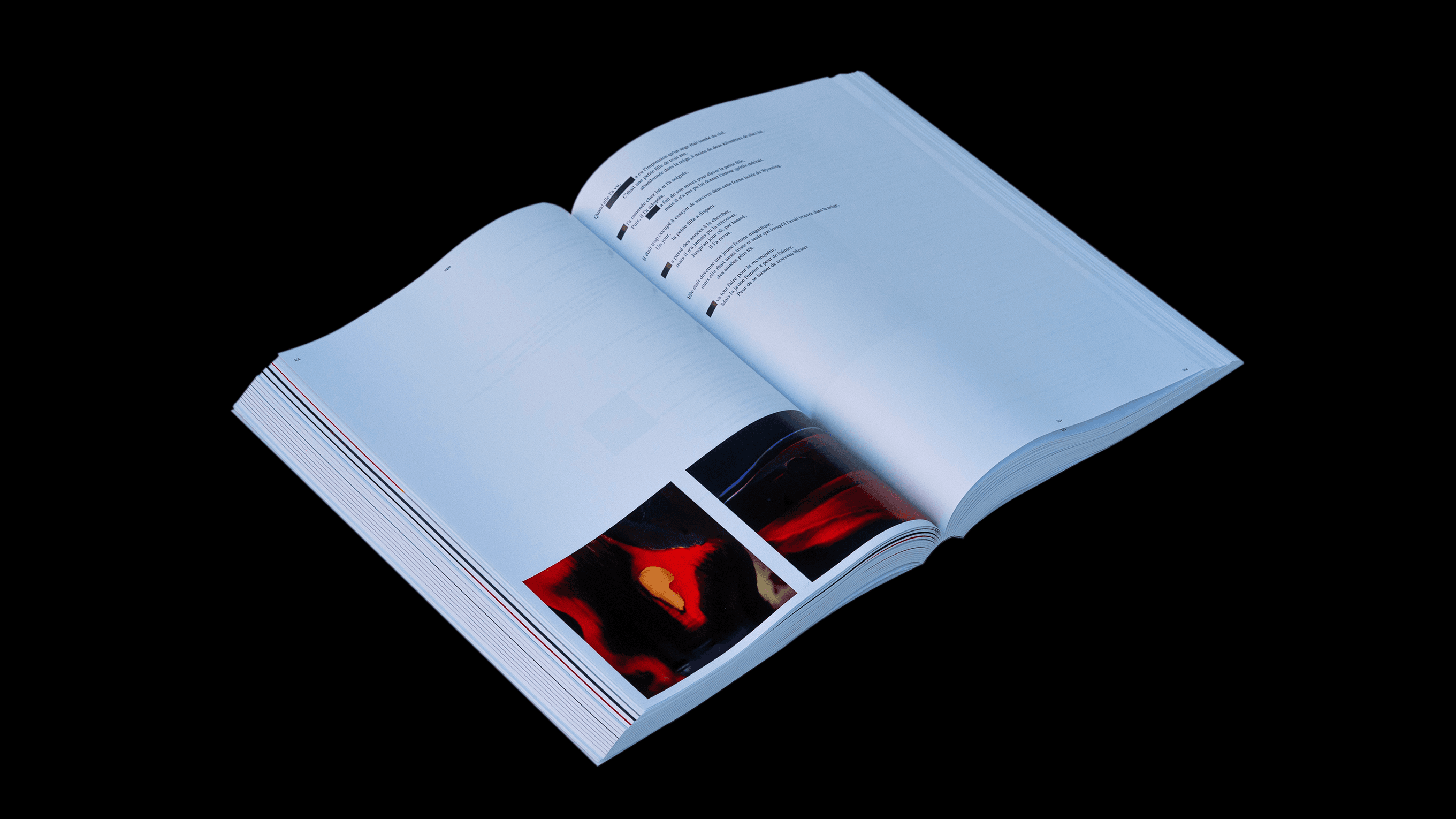
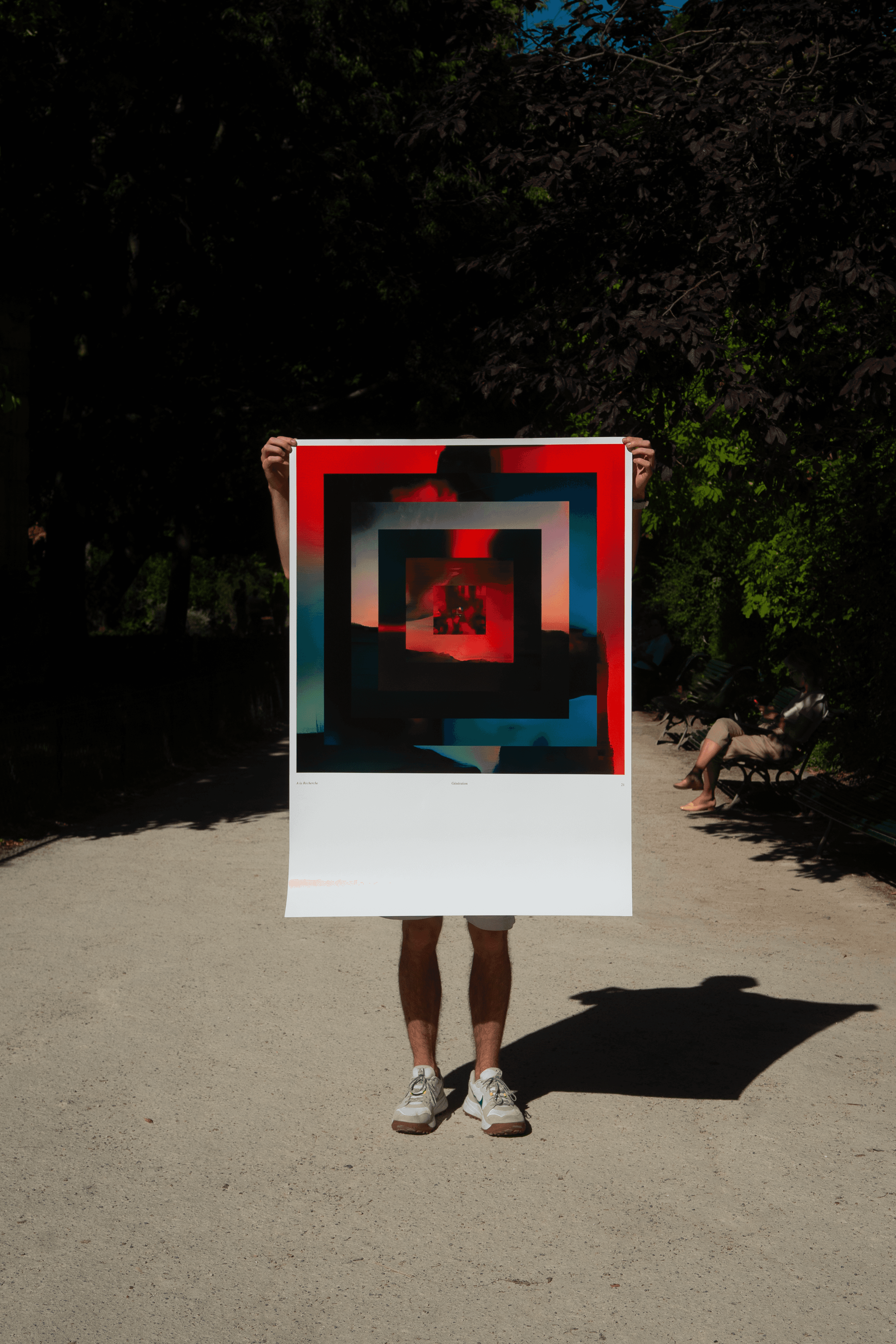
The team fed custom GANs with hand-curated Instagram archives and other image banks, then accepted the glitches and “misfires” as material, not waste. These errant pixels became full-bleed spreads, oversized posters and a deck of chapter cards—each piece exposing, then bending, the aesthetic norms hidden in the data.
Parallel experiments in GPT-3 (still a research sandbox in 2022) produced twenty-seven short texts, one keyword per life-stage, forming the backbone of the edition. Rather than imitate a known author, the model was nudged to invent a single, fictional persona whose life mirrors everyone and no one. Its imperfect prose—awkward jumps, sudden poetry—anchors the project’s critique of seamless automation.
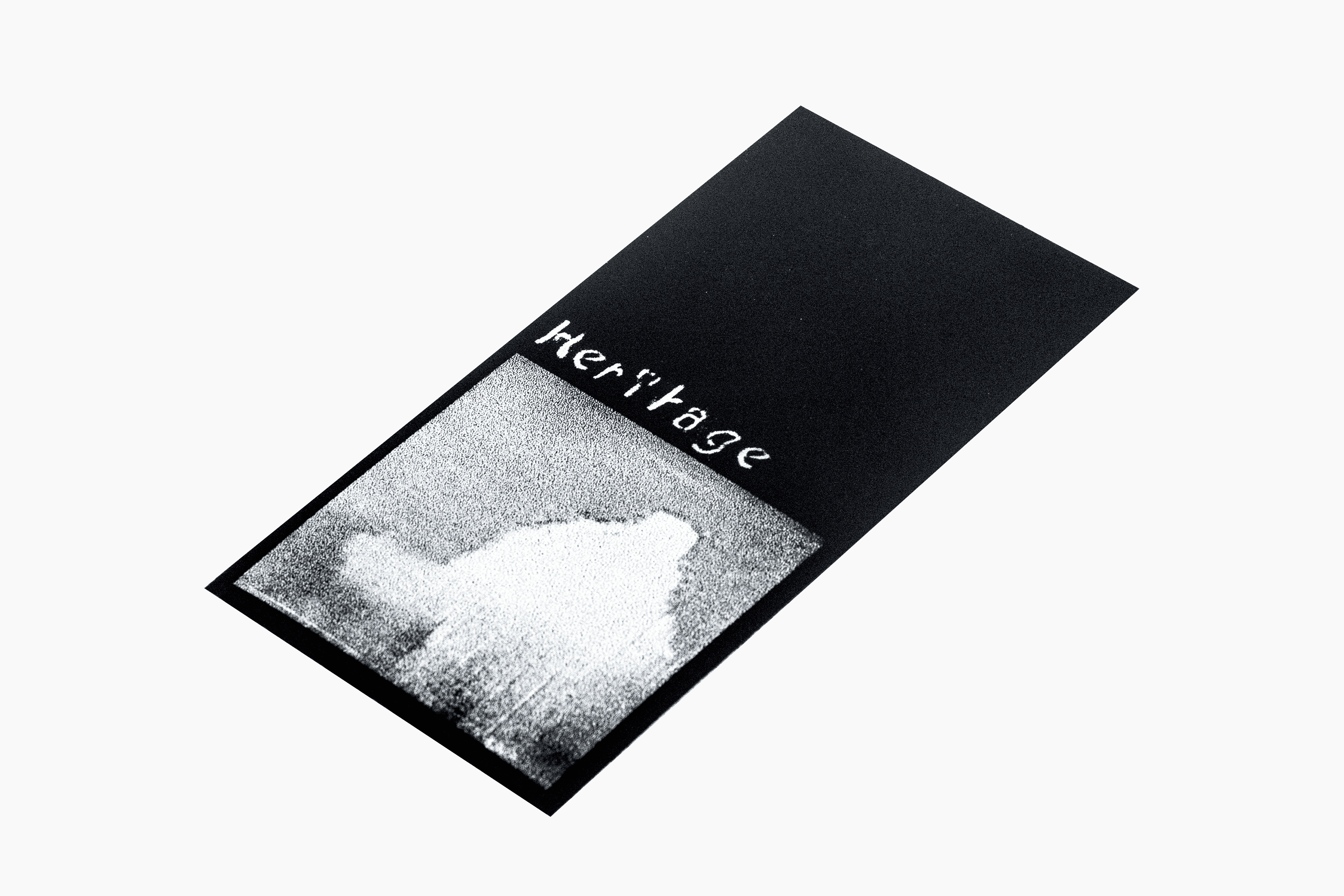
Graphic treatment stays deliberately sparse: a mono-size grid, mirror layouts, and a custom, GAN-grown typeface shown at its native 96-pixel square. By restraining the designer’s hand, the publication foregrounds the dialogue between human curation and machinic pattern-matching.
Ultimately, À la Recherche positions error as insight and protocol as creative territory. It asks what happens when designers relinquish finish-polish ambitions and instead stage encounters with a system that “knows nothing—except how to imitate everything.”
(Projects Collaborators)
Antoine Jarno
Romain Marc
(Online Publications)
Ephemerides.Fun
Étapes
(Special Thanks)
Anthony Tresallet
(Talk)
By Machine Of Loving Grace
(Information)
À la Recherche (January 2022) began as a laboratory rather than a book. Long before ChatGPT, DALL·E or the current flood of “AI tools,” three graphic-designers set out to test how generative systems might reflect—or distort—the visual and narrative codes we live by.
The team fed custom GANs with hand-curated Instagram archives and other image banks, then accepted the glitches and “misfires” as material, not waste. These errant pixels became full-bleed spreads, oversized posters and a deck of chapter cards—each piece exposing, then bending, the aesthetic norms hidden in the data.
Parallel experiments in GPT-3 (still a research sandbox in 2022) produced twenty-seven short texts, one keyword per life-stage, forming the backbone of the edition. Rather than imitate a known author, the model was nudged to invent a single, fictional persona whose life mirrors everyone and no one. Its imperfect prose—awkward jumps, sudden poetry—anchors the project’s critique of seamless automation.
Graphic treatment stays deliberately sparse: a mono-size grid, mirror layouts, and a custom, GAN-grown typeface shown at its native 96-pixel square. By restraining the designer’s hand, the publication foregrounds the dialogue between human curation and machinic pattern-matching.
Ultimately, À la Recherche positions error as insight and protocol as creative territory. It asks what happens when designers relinquish finish-polish ambitions and instead stage encounters with a system that “knows nothing—except how to imitate everything.”
(Projects Collaborators)
Antoine Jarno
Romain Marc
(Online Publications)
Ephemerides.Fun
Étapes
(Special thanks)
Anthony Tresallet
(Talk)
By Machine Of Loving Grace
(Information)
À la Recherche (January 2022) began as a laboratory rather than a book. Long before ChatGPT, DALL·E or the current flood of “AI tools,” three graphic-designers set out to test how generative systems might reflect—or distort—the visual and narrative codes we live by.
The team fed custom GANs with hand-curated Instagram archives and other image banks, then accepted the glitches and “misfires” as material, not waste. These errant pixels became full-bleed spreads, oversized posters and a deck of chapter cards—each piece exposing, then bending, the aesthetic norms hidden in the data.
Parallel experiments in GPT-3 (still a research sandbox in 2022) produced twenty-seven short texts, one keyword per life-stage, forming the backbone of the edition. Rather than imitate a known author, the model was nudged to invent a single, fictional persona whose life mirrors everyone and no one. Its imperfect prose—awkward jumps, sudden poetry—anchors the project’s critique of seamless automation.
Graphic treatment stays deliberately sparse: a mono-size grid, mirror layouts, and a custom, GAN-grown typeface shown at its native 96-pixel square. By restraining the designer’s hand, the publication foregrounds the dialogue between human curation and machinic pattern-matching.
Ultimately, À la Recherche positions error as insight and protocol as creative territory. It asks what happens when designers relinquish finish-polish ambitions and instead stage encounters with a system that “knows nothing—except how to imitate everything.”
(Projects Collaborators)
Antoine Jarno
Romain Marc
(Online Publications)
Ephemerides.Fun
Étapes
(Special thanks)
Anthony Tresallet
(Talk)
By Machine Of Loving Grace